
Seeing the world by all available means
Inside this issue
All @ Sea - What's next for The Navigator?
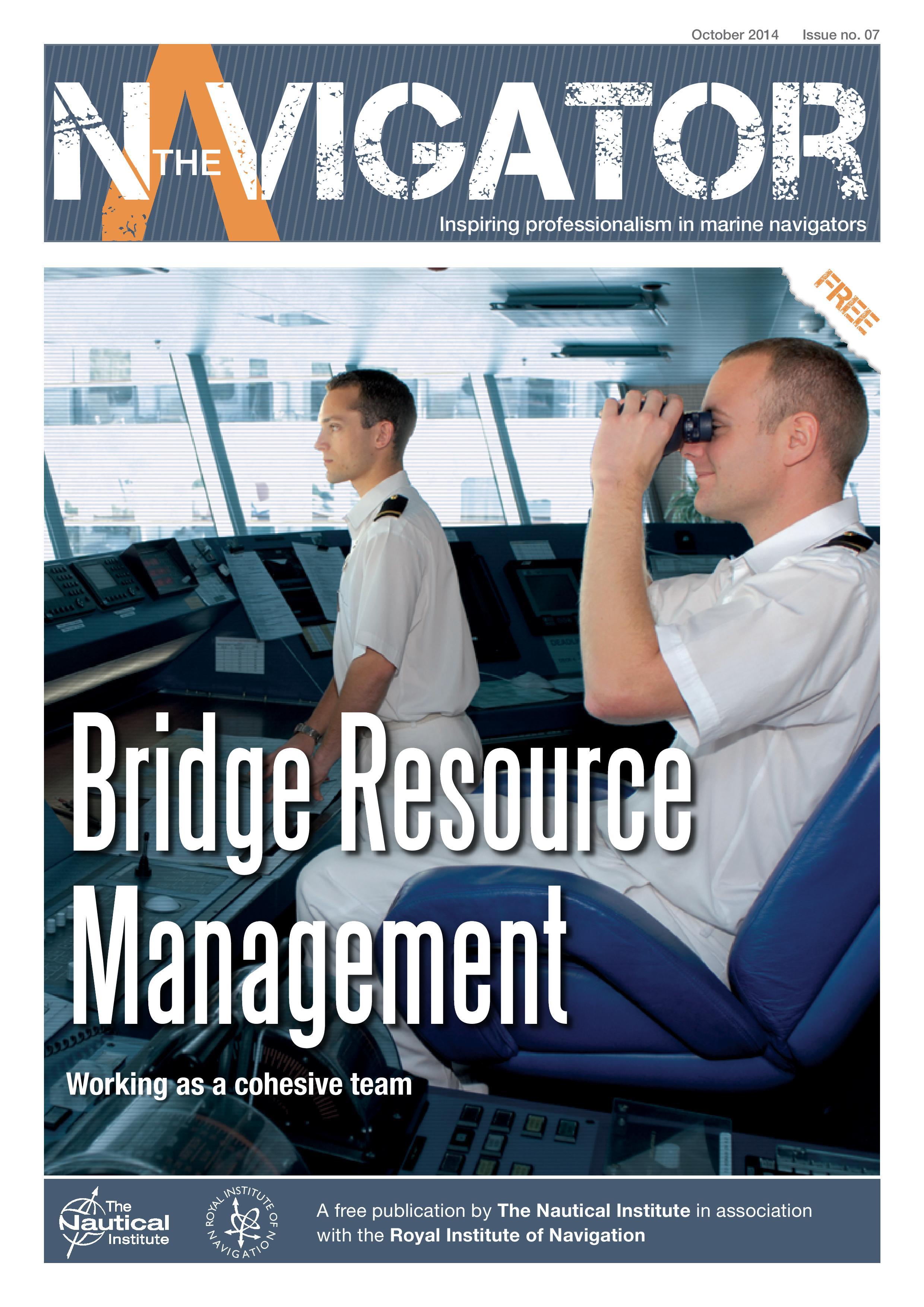
Bridging the gap in training The bridge TEAM is the place where Together Everyone Achieves More, and an effective team onboard a ship is the most valuable resource of shipping today. So investing in the right Bridge Resource Management training is crucial to keep it working cohesively. Capt. J Dakic, Capt. D Milinic and Capt. S Tripovic of the BRM team at Azalea Maritime LLC discuss the value of effective shore-based training and look at what such a course should cover
Building bridges for best practice - Bridge Resource Management (BRM) can be a vessel’s greatest strength or its weakest point, depending on how effective it is. We investigate best practice, both ashore and onboard, and take a look at the future, and the welcome arrival of ECDIS
WATCHOUT - Too little, too late results in a grounded tanker - In this series, we take a look at maritime accident reports and the lessons that can be learned.
Who's navigating? - Walking in and out of the ship in style - For the first time in this series, The Navigator speaks to not just one, but three navigational officers currently serving onboard a livestock carrier. They tell us about their careers, ambitions and thoughts on effective communication on the bridge
WAYPOINT - Making equipment part of the team- Dr Andy Norris, an active Fellow of the Royal Institute of Navigation and the Nautical Institute, discusses the human-machine interface and the role that equipment plays in day-to-day operations on the bridge
Take 10- This issue of take 10 The Navigator has looked at Bridge Resource Management (BRM). Here are ten points to take away from this issue to bear in mind next time you’re on duty on the bridge
Every ship is a Search and Rescue unit
Roland McKie from the International Maritime Rescue Federation outlines the maritime industry’s role in SAR and the importance of preparing your vessel and crew well in advance.
The Navigator statementWATCHOUT - Successful search and rescue recovers containership and crew
In this series, we take a look at maritime accident reports and the lessons that can be learned from them
The Navigator statementWho's Navigating? The learning starts here
Keith Pletschke AFNI on keeping teamwork going at sea and his own experience of SAR operations
The Navigator statementI’ve been asked to help in a search, what now?
Kamil Woźniakiewicz from Poland’s Maritime Search and Rescue Service explains the actions and expectations of an MRCC during an SAR operation.
The Navigator statementTake 10 #43: Preparing for an SAR operation and debriefing afterwards
Ten key aspects of preparing for an SAR operation and debriefing afterwards.
The Navigator statementSpotlight on search and rescue
When disaster strikes at sea, every minute counts. As a navigator, you may be the closest responder to the scene. Advanced technology, clear communications and excellent teamwork can make all the difference
The Navigator statementWAYPOINT - Satellites and seamanship
George Shaw from the Royal Institute of Navigation looks at how good seamanship, backed up by excellent technology can change the entire situation when it comes to SAR operations.
The Navigator statementWATCHOUT - Remote control?
How remotely piloted aircraft are being used to help monitor compliance within restricted areas and reduce the risk of unwanted incidents
The Navigator statementA navigator’s guide to charting, classifying and understanding restricted areas
The UK Hydrographic Office explains how restricted areas are classified and charted on paper charts and ENCs. For navigators, restricted areas are not there just for regulatory purposes – they are important features that demand recognition and understanding at every stage of the passage.
The Navigator statement