

Seeing the world by all available means
Inside this issue
All @ Sea - What's next for The Navigator?
Bridging the gaps: safeguarding the relationship between bridge team and pilot- Captain Simon Pelletier MNI is IMPA President and President of the Canadian Marine Pilots’ Association, as well as an active Pilot in the Lower St Lawrence District. Here, he explains how to ensure that relationship between the Pilot and the bridge team runs as smoothly as possible
An insider's guide to piloting- Ed Verbeek, a piloting consultant in the Netherlands, reveals some of the skills that Pilots must learn, as well as some of the tricks and techniques they employ to keep vessels of all sizes on track.
WATCHOUT - Three groundings - 30 minutes- In this series, we take a look at maritime accident reports and the lessons that can be learned
Who's navigating? - Piloting the Amazon river- Harbour/River Pilot, Thiago Serra relishes the challenge of guiding large vessels along his stretch of the Amazon river. He talks to The Navigator about why he chose to become a pilot and the skills he has had to pick up along the way.
WAYPOINT - Portable Pilots Units Take control of the ship - Dr Andy Norris, an active Fellow of The Nautical Institute and the Royal Institute of Navigation, takes a closer look at Portable Pilot Units
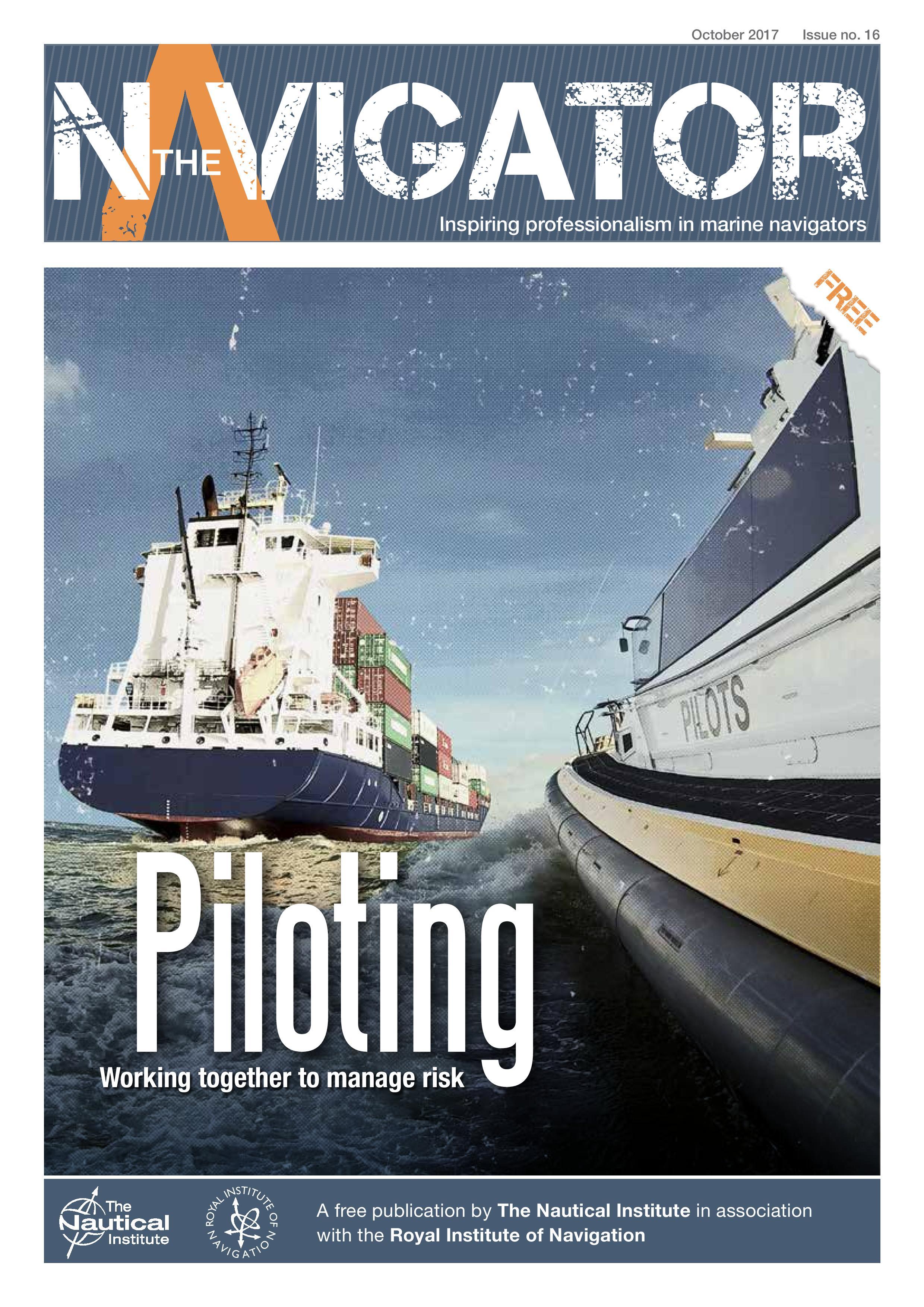
Take 10- This issue of The Navigator explores what is involved in being – and working with – a Pilot.
WAYPOINT - Satellites and seamanship
George Shaw from the Royal Institute of Navigation looks at how good seamanship, backed up by excellent technology can change the entire situation when it comes to SAR operations.
The Navigator statementSpotlight on search and rescue
When disaster strikes at sea, every minute counts. As a navigator, you may be the closest responder to the scene. Advanced technology, clear communications and excellent teamwork can make all the difference
The Navigator statementTake 10 #43: Preparing for an SAR operation and debriefing afterwards
Ten key aspects of preparing for an SAR operation and debriefing afterwards.
The Navigator statementWho's Navigating? The learning starts here
Keith Pletschke AFNI on keeping teamwork going at sea and his own experience of SAR operations
The Navigator statementI’ve been asked to help in a search, what now?
Kamil Woźniakiewicz from Poland’s Maritime Search and Rescue Service explains the actions and expectations of an MRCC during an SAR operation.
The Navigator statementEvery ship is a Search and Rescue unit
Roland McKie from the International Maritime Rescue Federation outlines the maritime industry’s role in SAR and the importance of preparing your vessel and crew well in advance.
The Navigator statementWATCHOUT - Successful search and rescue recovers containership and crew
In this series, we take a look at maritime accident reports and the lessons that can be learned from them
The Navigator statementNavBrief - The Navigator issue 42
Today’s seas are becoming more complex to navigate, not least due to increasing numbers of restricted areas. Knowing where they are and what to do about them could make all the difference for a safe and smooth journey
The Navigator statementRites of passage: Restricted areas and the planning process
Commodore Nick Nash FNI looks at how seafarers navigate restricted areas, moving between many overlapping areas across a single passage
The Navigator statement