

Seeing the world by all available means
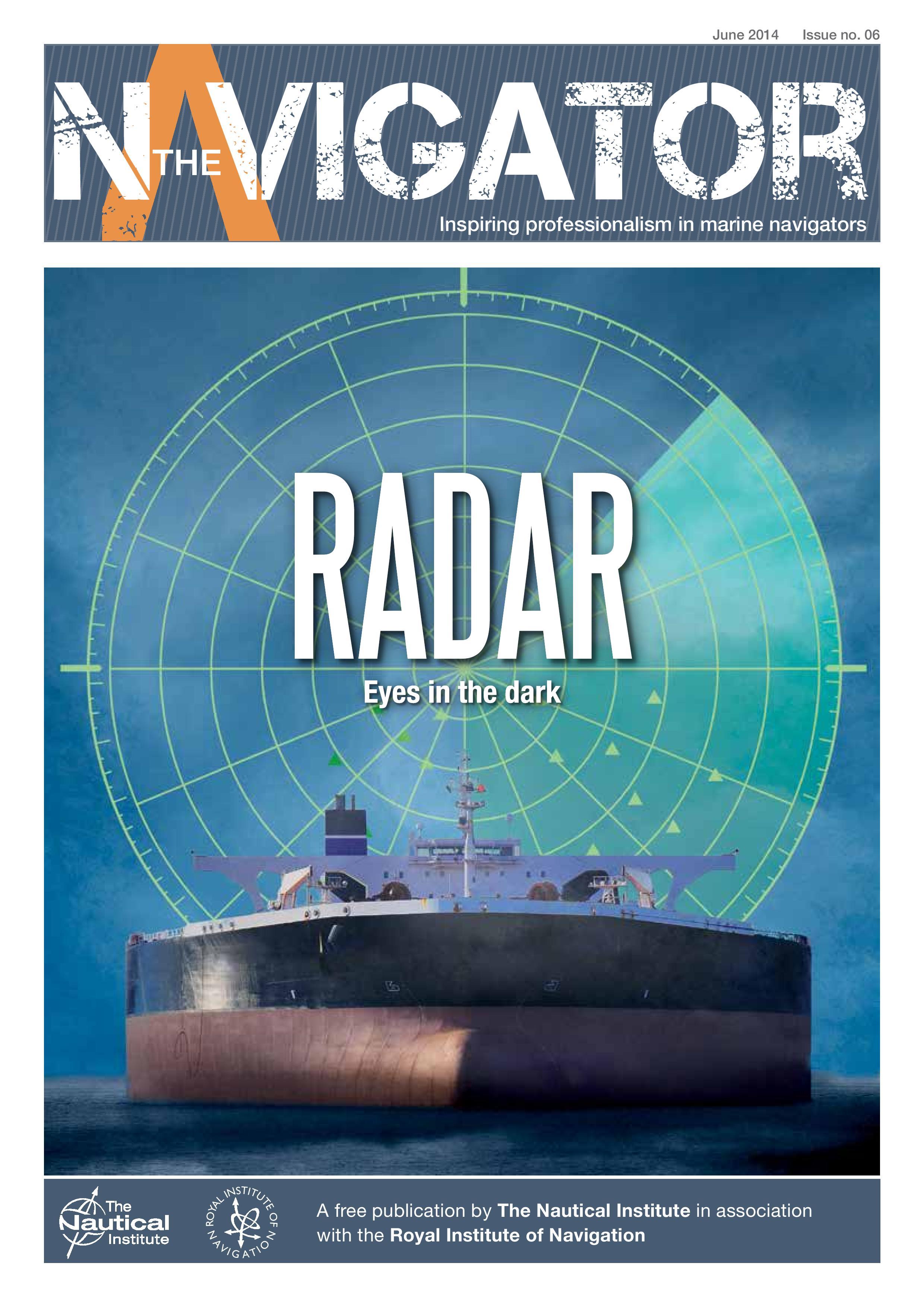
Inside this issue
All @ Sea - What's next for The Navigator?
Collision Course -There are two clear and distinct purposes for which radar is used; navigation and collision avoidance. While there are some fundamentals of radar use that are the same for both tasks, the ideal radar set-up for the two tasks is quite different. In fact, if there are two radars available, it may well be advisable to use one radar for long-range and one for close-range detection, or one for navigation and one for collision avoidance
Navigating the radar- A navigator tasked with setting up the radar prior to arrival or departure will need to make a number of decisions about which of the radar’s features and modes of display to use. This article addresses some of the issues a navigator might consider when using radar for navigational purposes, and is designed to complement the information about using radar for collision avoidance on pages 4 and 5.
WATCHOUT - Fogging up the view: inadequate radar uses causes chaos- IIn this series, we take a look at maritime accident reports and the lessons that can be learned.
Who's navigating?-A man's world? How one woman is successfully building a career at sea -In this series, The Navigator speaks to current navigational personnel about their motivations, careers to date and thoughts for the future. In this issue, Second Officer Fani-Sotiria Provatari discusses the challenges facing women at sea and reveals what, for her, are the greatest rewards of the navigator’s profession
WAYPOINT - Reassessing radar: then, now and in the future - Dr Andy Norris, an active Fellow of The Nautical Institute and the Royal Institute of Navigation, looks back at the history of radar and wonders how much it has really changed over the years.
Take 10- The focus has been firmly on radar in this issue of The Navigator. take 10 Here are 10 key aspects to remember about this vital tool
Work, rest and port calls
A fundamental skill for any navigator is the ability to maintain situational awareness and make good decisions, both in planning and in carrying out the voyage. That requires good training, and good maintenance and development of knowledge. It also needs sufficient physical and mental rest
The Navigator statementWAYPOINT - GNSS interference, workload and fatigue
Managing a new addition to the established workload – and what maritime regulation can learn from civil aviation
The Navigator statementWatchout: Slipping into sleep; drifting into danger
How one Master’s fatigue led directly to the grounding of a passenger vessel
The Navigator statementTake 10 #41: Managing tiredness and fatigue
Ten ideas to help manage tiredness and fatigue at sea – and how to spot the difference before it’s too late
The Navigator statementNavBrief - The Navigator issue 41
A professional navigator must be able to carry out their duties safely. That means not being fatigued or overworked. Don’t risk dropping off – the safety of the ship depends on it!
The Navigator statementWho's Navigating? Building resilience, leadership and confidence
Deck Cadet Otari Tvaradze discusses the value of continuous learning and maintaining high standards in the LNG sector
The Navigator statementWhen tiredness takes over – what next?
We all get tired, but fatigue is a very different matter – and drinking coffee does not help! As a seafarer, I have experienced both. I describe fatigue as being so tired that you cannot think straight and often don’t see the whole picture. It is a debilitating and, at times, dangerous situation. We must recognise the symptoms of fatigue in ourselves as well as in others. The consequences of failing to do so can literally be a matter of life and death. It can be hard to speak up, but you need to recognise when it is time to do so
The Navigator statementTake 10 #40: Managing GNSS
Ten top tips for managing GNSS – and the absence of it
The Navigator statementWAYPOINT - Staying alert to jamming and spoofing
George Shaw from the Royal Institute of Navigation explores how GNSS can become vulnerable to jamming and spoofing and what mariners can do to stay on course
The Navigator statement