
202605 Alone on the bridge, asleep and full speed ahead
As edited from TSB (Canada) report M16P0378
A tug was pushing an oil barge in ballast, so that the two units were operating as an articulated tug and barge (ATB). The OOW took over the watch at 23:00. The vessels were in confined coastal waters with little or no other vessel traffic, light winds and some rain. The OOW was alone in the wheelhouse acting as navigator and lookout. At 00:20 the OOW made a planned course alteration to port. Some 30 minutes later, a further planned course alteration was missed because the OOW had fallen asleep in the bridge chair.
A few minutes after 01:00, the ATB struck a charted reef. The impact woke the OOW. He immediately reversed both engines and placed the rudders hard to port. The Master, awoken by the impact, went to the wheelhouse and took over the watch. The tug’s starboard engine was disabled, so the Master attempted to reverse off the reef with the port engine while moving the rudder hard over, port to starboard. The ATB pivoted but remained aground.
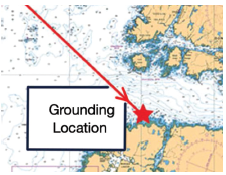
The Master reported the casualty to shore authorities. Sea conditions worsened and some fuel from the tug was leaking into the sea. The tug’s crew was evacuated some eight hours after the grounding due to the worsening situation. Clean-up and tug salvage operations continued for the next 40 days. The tug was declared a total constructive loss while the barge was salvaged and repaired.
The investigation found, among other things, that the OOW suffered from several fatigueinducing factors at the time of the grounding, including sleep disruption both acute and chronic, circadian rhythm disruptions, and individual factors (ie his inability to nap during ‘off’ hours). In other words, he was fatigued.
Lessons learned
- ‘Sleep hygiene’ is a critical element of safety in the transportation industry, yet one that is mostly self-managed. Take it seriously.
- Sitting while navigating is one step towards further relaxation. Standing and moving (between navigation instruments?) means you are unlikely to experience a micro-sleep and may help your situational awareness.
Editor’s note:
While fatigue is certainly a major contributing factor in this accident, just to claim fatigue is to blame is to miss important underlying factors. Many of these have conspired here; the OOW’s personal attributes as well as the corporate attitude to keeping the schedule. But another elephant is in the wheelhouse…a lone watchkeeper in darkness. This factor has become almost a cliché in accidents involving fatigue. This is a situation that not only contradicts good practice, but the STCW, which states that the OOW may be the sole lookout in daylight provided ‘the situation has been carefully assessed, and it has been established without doubt that it is safe to do so, full account has been taken of all relevant factors…
Most Flag administrations interpret this to mean that a separate dedicated lookout is required in addition to the OOW when a vessel is underway at night. Yet common practice is often just the opposite.
As edited from TSB (Canada) report M16P0378